
The effects of desertification are being strongly felt in urban areas. We see it every summer in our cities: what can we do that has both immediate and long-term positive impacts? One possible approach is the adoption of “nature-based solutions (NBS)”, meaning the management and sustainable use of natural resources to address socio-environmental challenges such as climate change, water risk, water pollution, food security, human health and disaster risk management.
A group of researchers from Politecnico di Milano, through the NBSouth project, explored this direction by using the administrative region of Paranoá near Brasília as a case study, an area which, due to its size, location and characteristics, has in recent years been affected by frequent droughts; a natural disaster that takes on dramatic consequences when cities are forced to declare a state of emergency, leading to the closure of schools and parks and creating serious social impacts.
The research, conducted in collaboration with the University of Brasília, was guided by an in-depth analysis of local needs, which laid the groundwork for the overall project design. Starting from the development of a diagnostic model of the urban area, the field team studied NBS strategies for managing green infrastructure, contributing to the definition of new policies for socio-economic development and environmental resilience, actively involving residents to enhance their knowledge and promote collaboration. Particular attention is given to water management: in the case of Paranoá, the community’s deeply-rooted relationship with water, once central to its identity, was compromised by relocation to a new area. NBSouth has shown that effectively integrating this historical connection into green and blue infrastructure planning, together with nature-based solutions (NBS), can add greater depth to urban development strategies. This approach not only addressed the community’s tangible needs but also strengthened intangible connections, enriching the community’s sense of identity and shaping more sustainable and meaningful perspectives for their future environment.
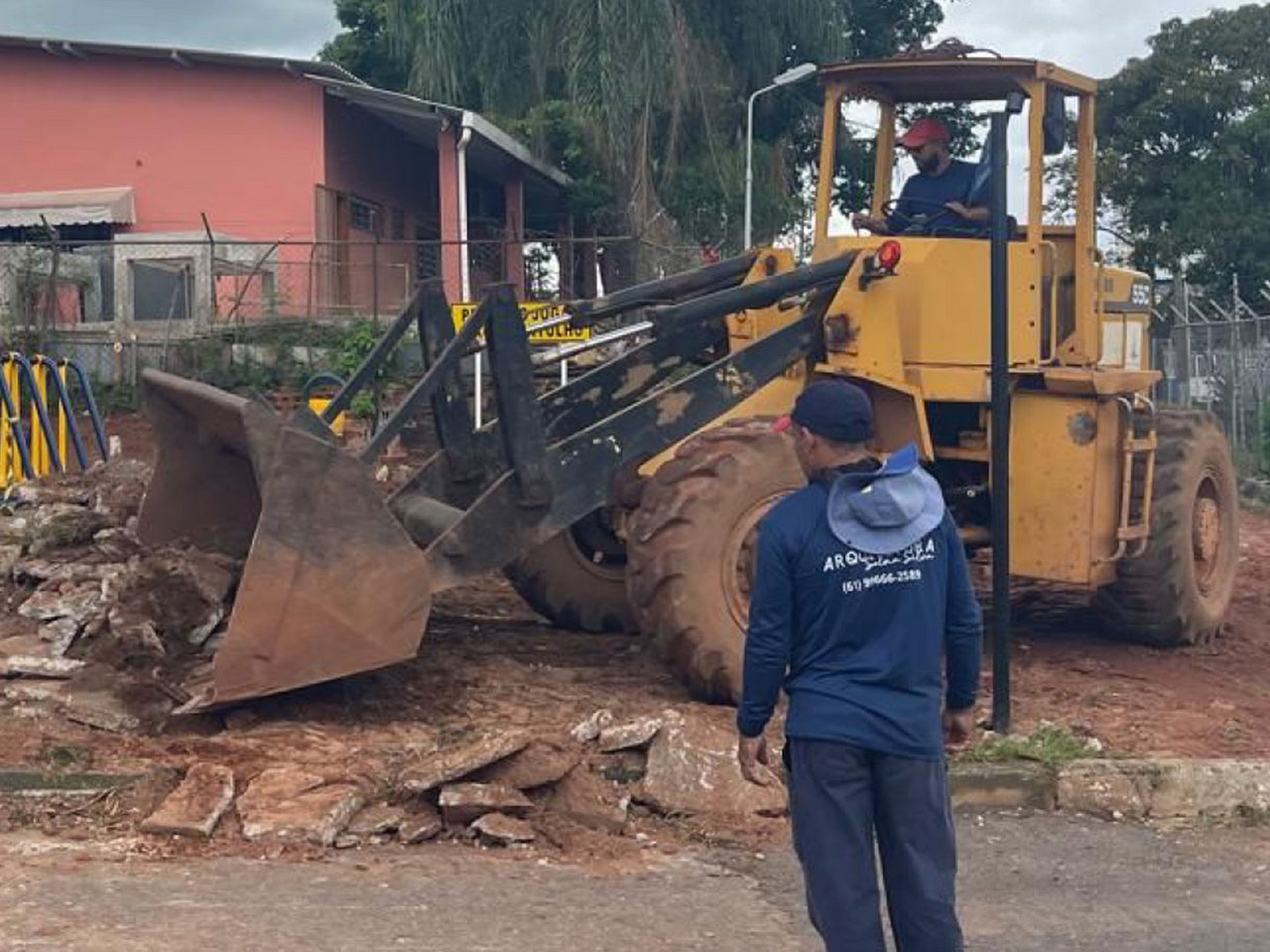
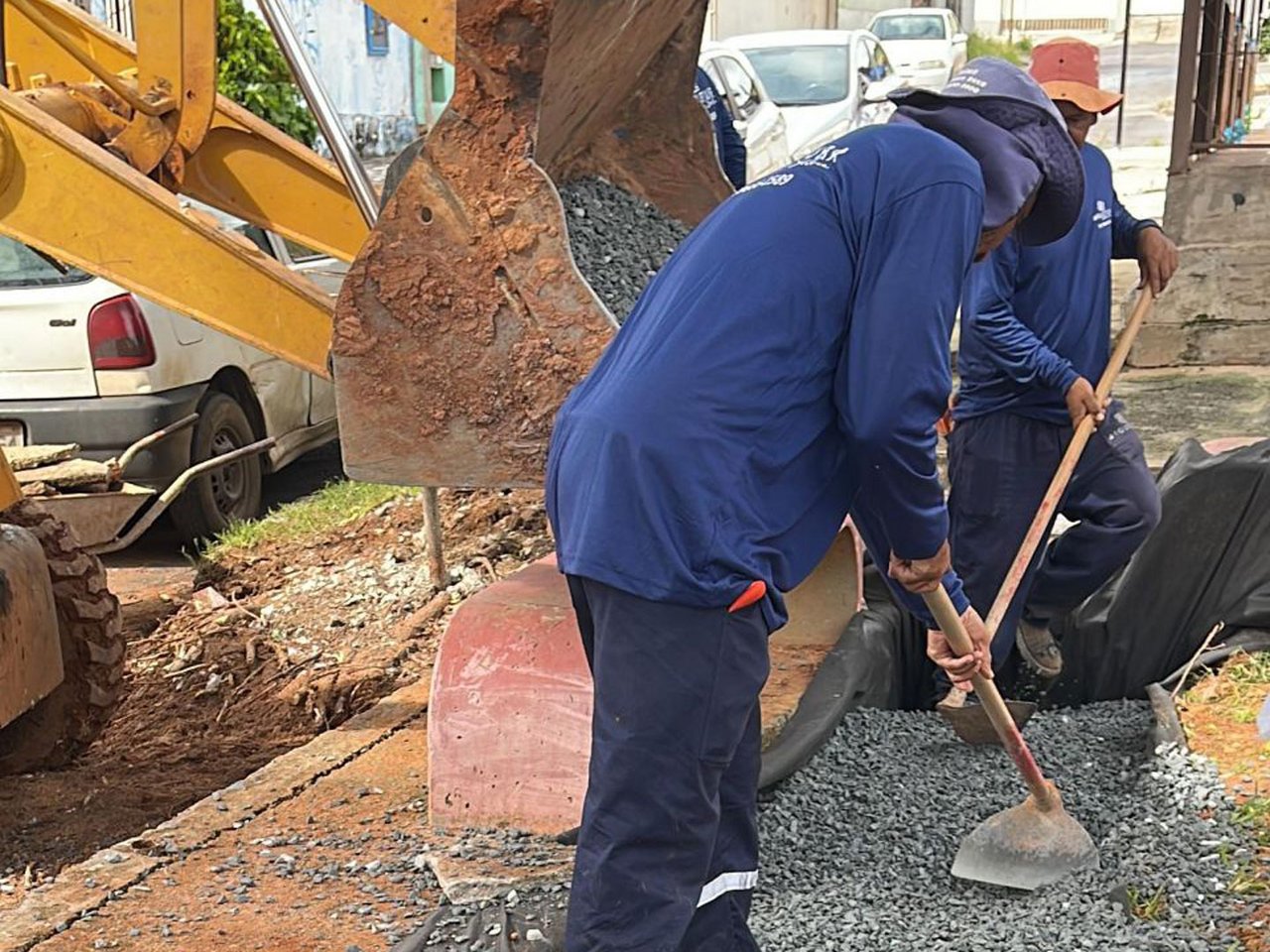
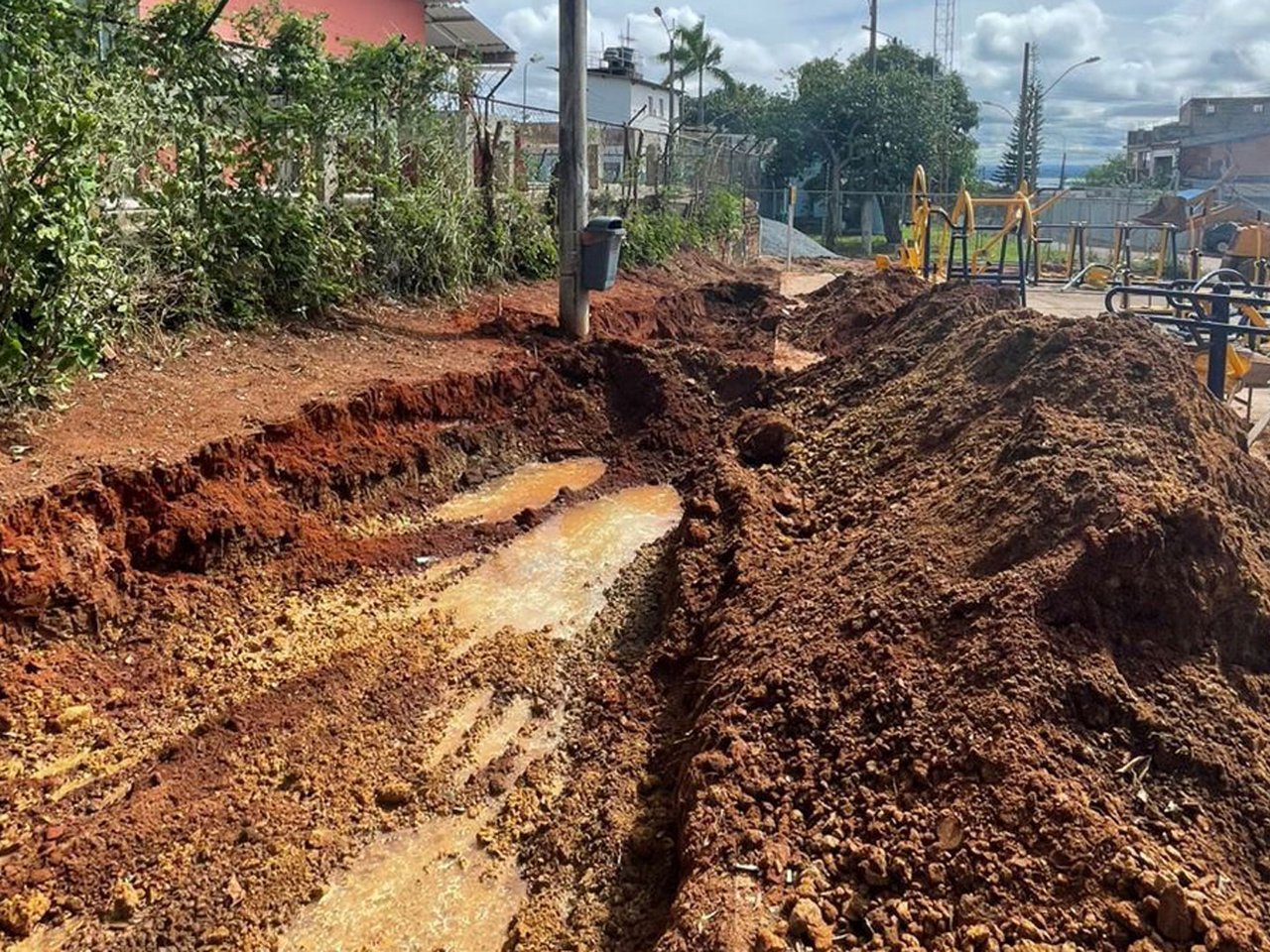
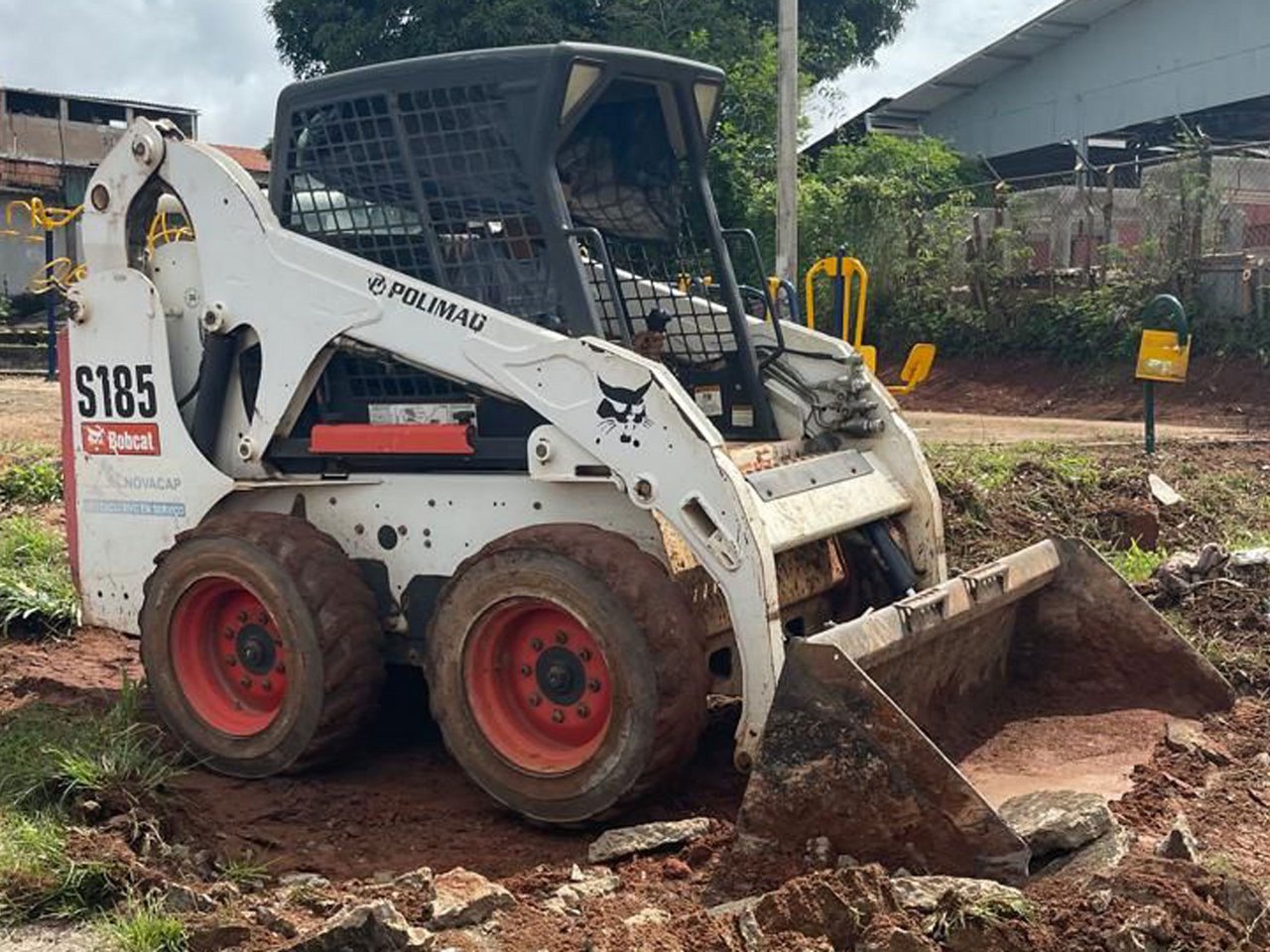
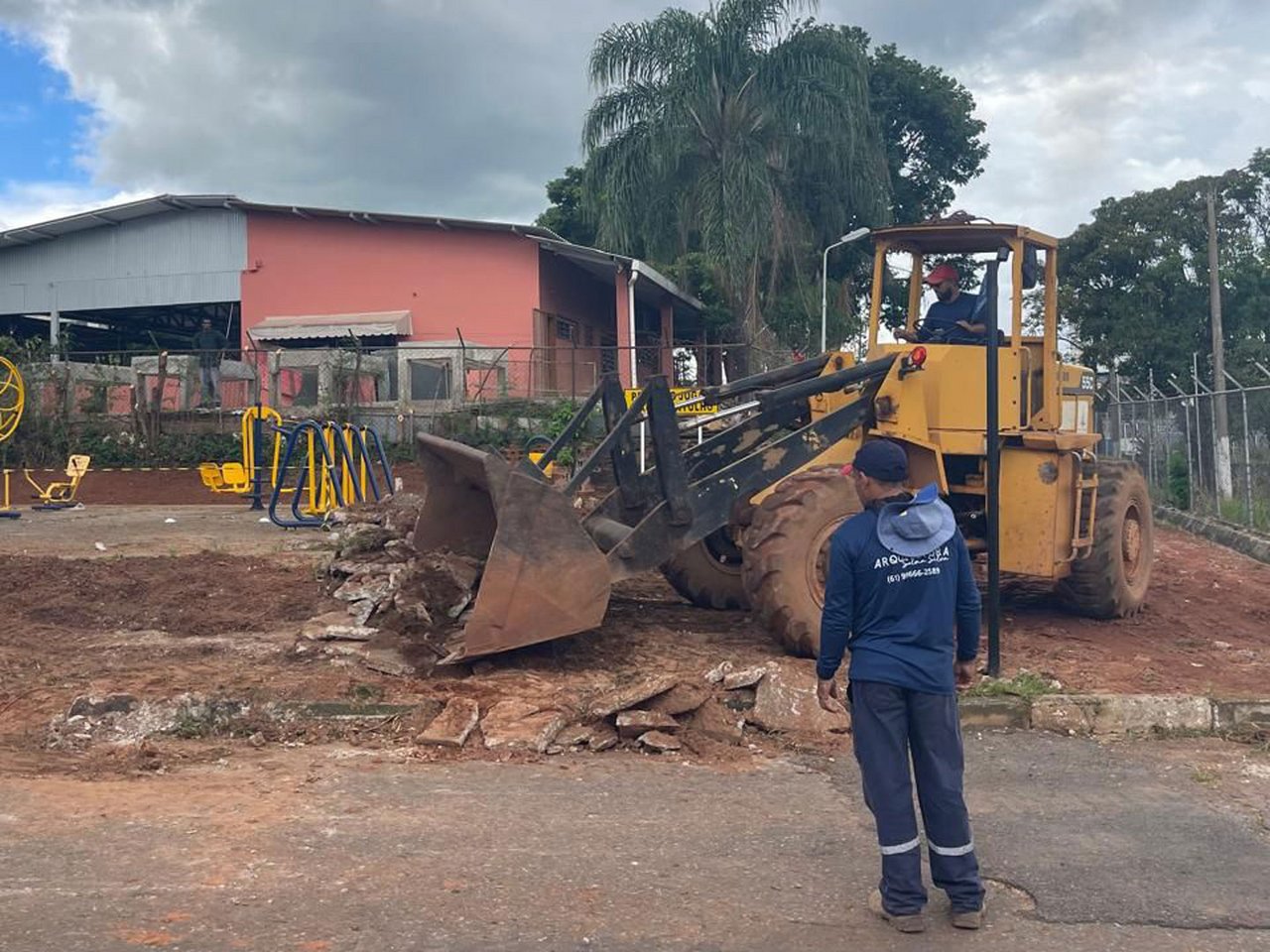
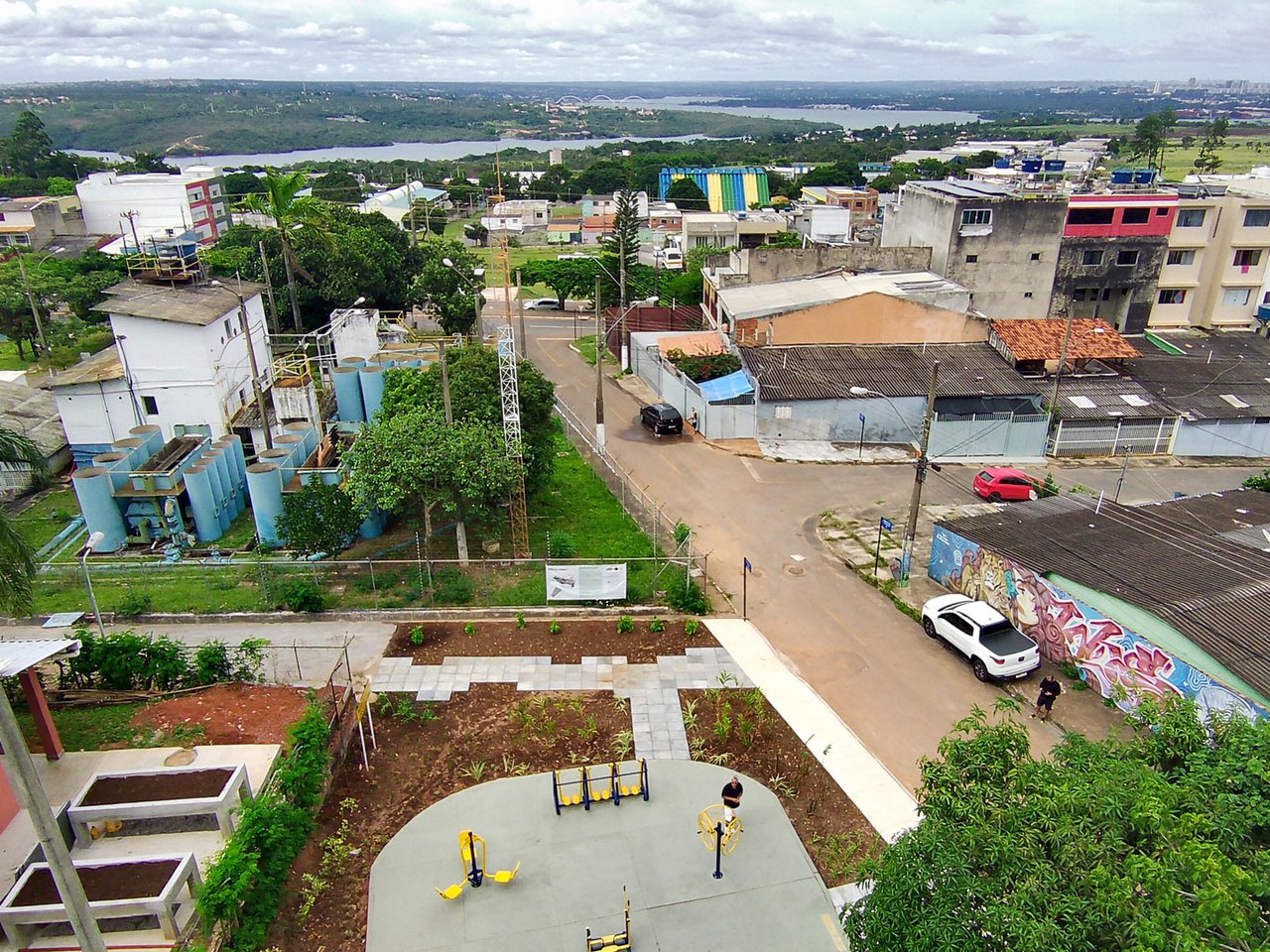
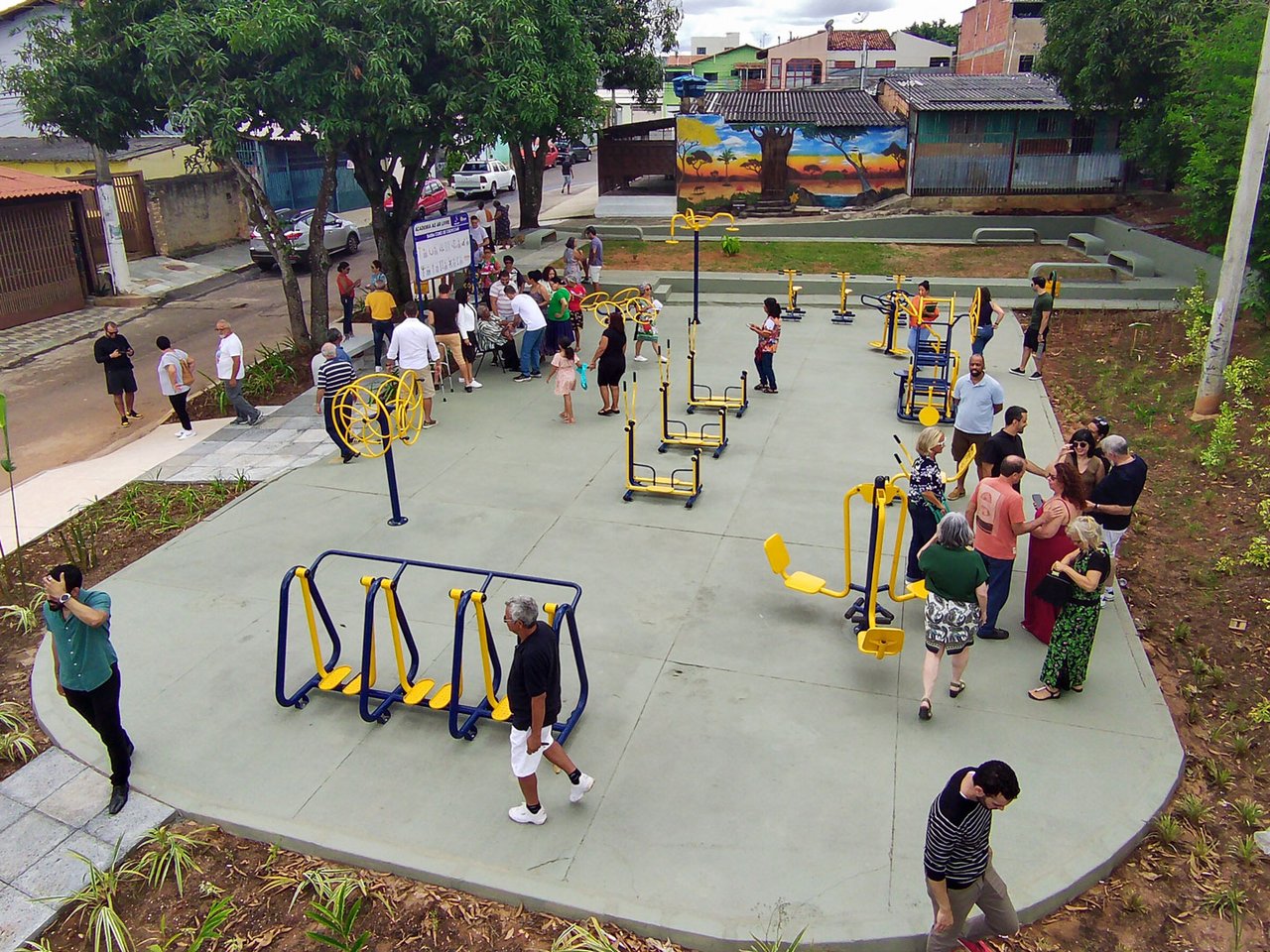
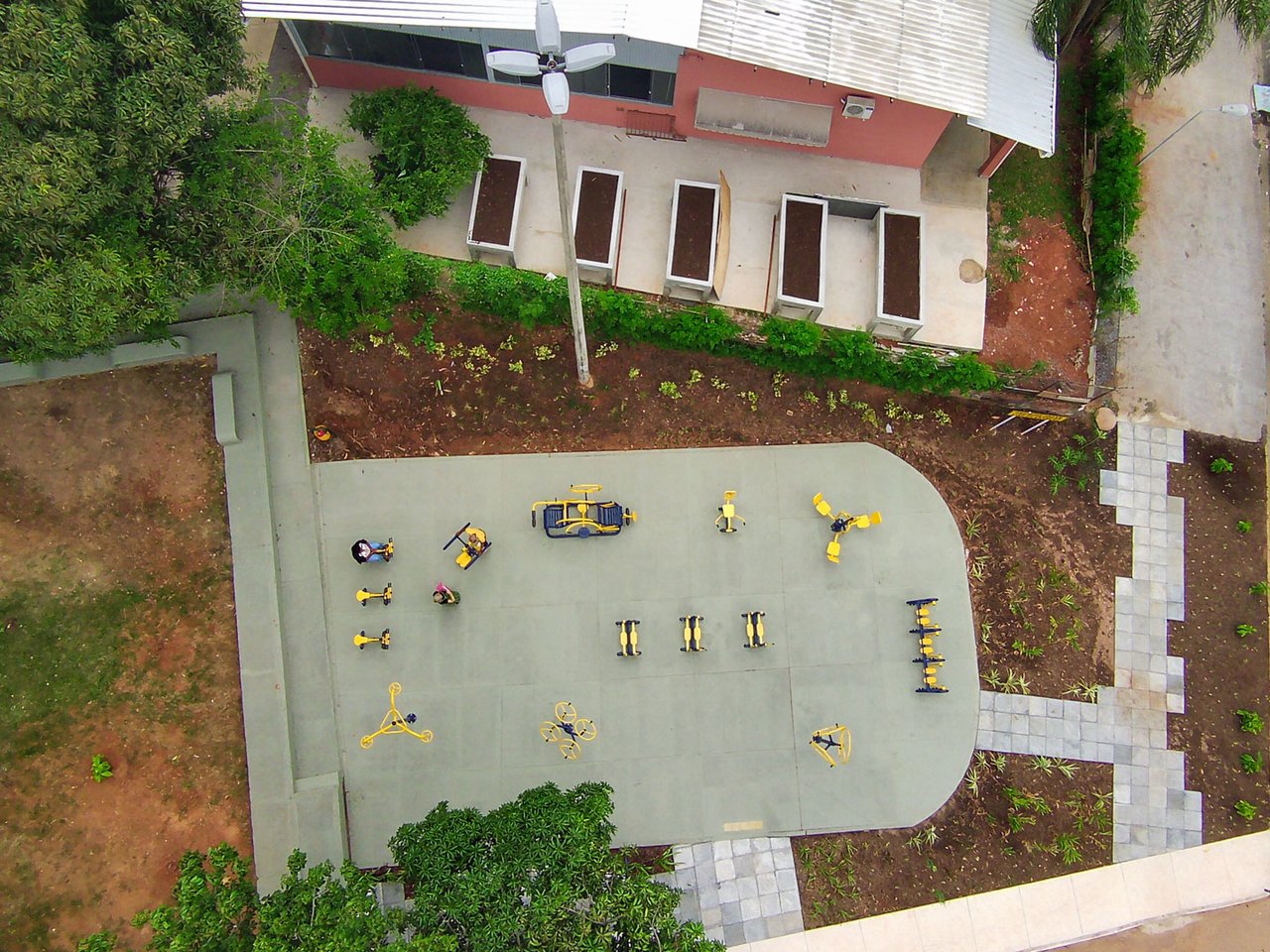
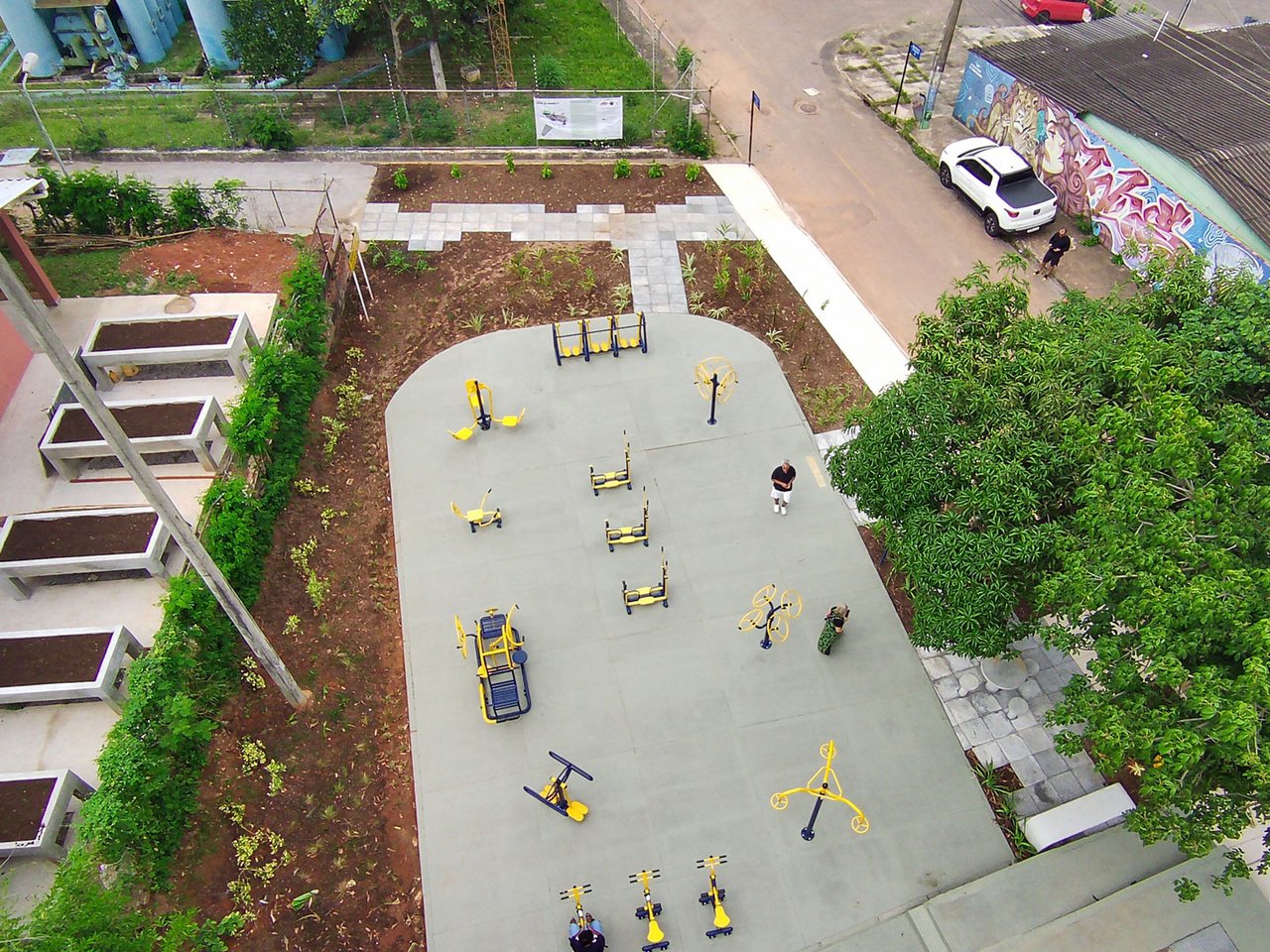
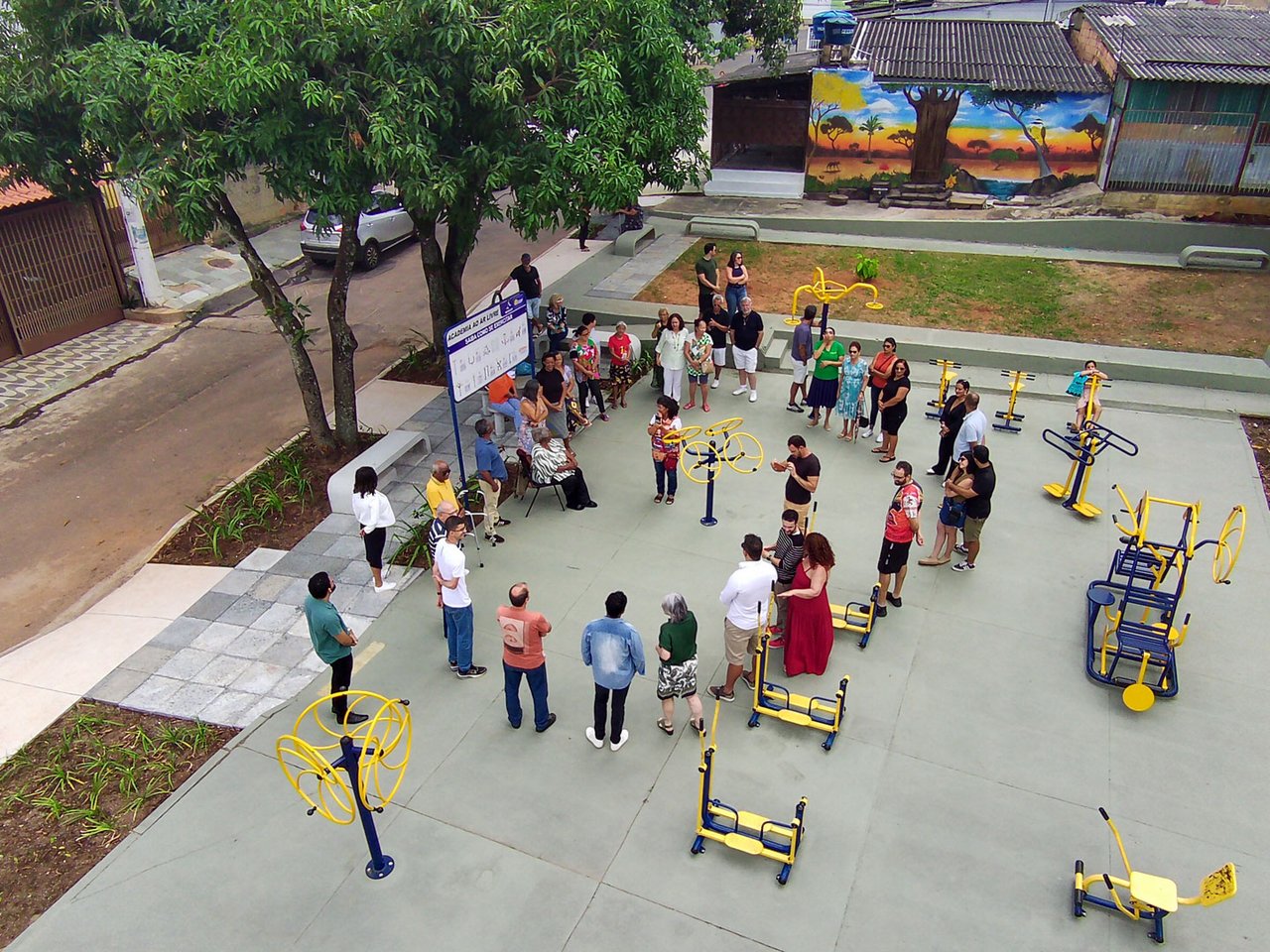
NBSouth also strengthened collaboration between civil society, universities, public administration and the private sector, creating a participatory urban transformation model that led, for example, to the transformation of a neglected square into an ecologically rich and welcoming public space, more efficient water and biodiversity management, reduced flood risk, lower local temperatures and increased local species and plant diversity. From an economic perspective, the project stimulated local employment and businesses by relying on locally sourced materials.